 FOUNDING CASE · LIVE
CASE 001
避难所奥德赛 · 屏南
五座岛屿共同经历两百年的建造、危机、重建与返乡。
Shelter Odyssey · Pingnan
Five islands pass through two centuries of building, crisis, rebuilding, and return.
本地设计原型 · 内容档案正在整理 · 尚未公开发布
Local design prototype · Content dossier in progress · Not yet published
这里收录世界各地采用、改写或重新发明避难所奥德赛协议的案例。每一次运行,都是协议交到陌生人手里的下一轮。
This archive welcomes cases from around the world that adopt, modify, or reinvent the Shelter Odyssey protocol. Every run is another handoff of the protocol to strangers.
FOUNDING CASE · LIVE五座岛屿共同经历两百年的建造、危机、重建与返乡。
Five islands pass through two centuries of building, crisis, rebuilding, and return.
CASE 002 →
记录地点、参与者人数、主持人、使用的协议版本,以及你改动了什么。你的案例会成为这座档案馆的下一次交接。
CASE 002 →
Record the place, participant count, hosts, protocol version, and what you changed. Your case becomes the archive’s next handoff.
避难所命名了人在威胁下最先寻找的东西;流动命名了这群参与者面对变化的方式;奥德赛则让我们看见保护如何在时间、陌生人和误读中改变。
Shelter names what people reach for under threat. Mobility names how this community meets change. Odyssey makes protection visible as it passes through time, strangers, and misreading.
当危机成为环境,保护不能只靠更厚的墙。它也可能是一张关系网、一套照料方式,或一次有意识的迁移。
When crisis becomes atmospheric, thicker walls are not enough. Protection can be a network of relations, a practice of care, or a deliberate movement.
它不只等于身体移动,而是重新分配在场、注意力与依附的能力——也包括选择停下来。
It is more than physical travel: the ability to redistribute presence, attention, and attachment—including the choice to stay still.
出发、继承、返乡。参与者看不见完整的两百年,只有岛能把断裂的历史重新说出来。
Departure, inheritance, return. No participant sees the whole two hundred years; only the island can narrate the broken history.
每一座岛经历创立、两次危机、两次重建与一次返乡。参与者只接触局部的历史;规则却一直向前流动。
Each island passes through a founding, two crises, two rebuilds, and a homecoming. Participants encounter only fragments of its history, while the rules keep moving forward.
种子岛
Seed Island
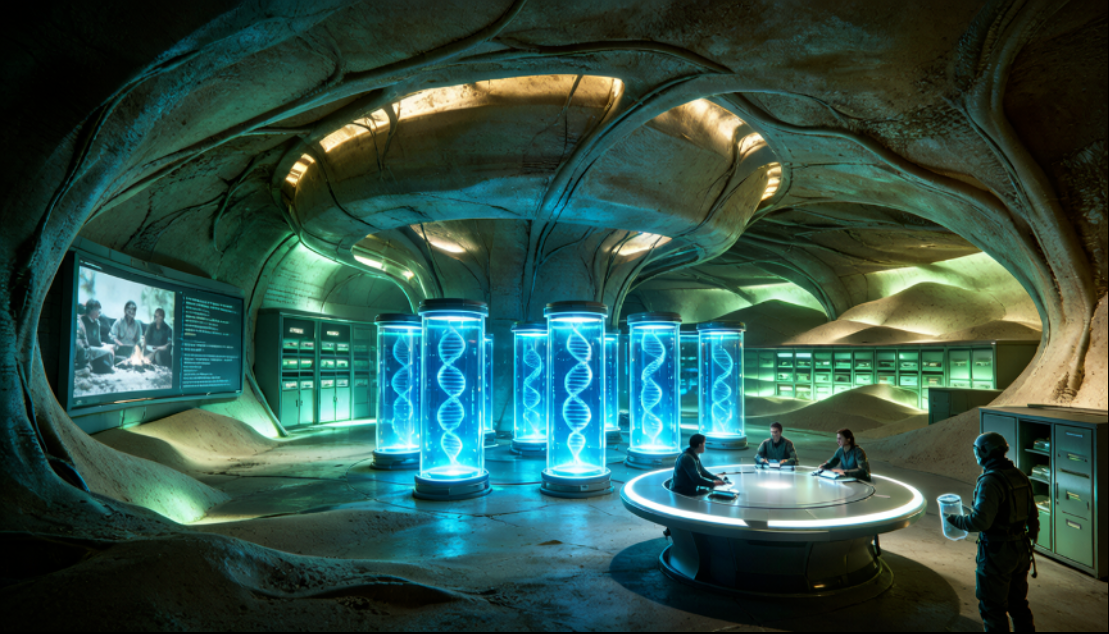
留下第一套避难所规则。
A first shelter protocol is left behind.
后来者为陌生人的世界制造压力。
Newcomers put a stranger’s world under pressure.
处置至少一条旧规则:保留、改写或废除。
Resolve at least one inherited rule: keep it, rewrite it, or abolish it.
第二次冲击检验避难所真正保护什么。
A second shock tests what the shelter truly protects.
新的照料方式在废墟中出现。
A new form of care emerges from the ruins.
创立者回来,听岛讲述完整的两百年。
The founders return and hear the island narrate two centuries.
八条贯穿三天的线索。它们不是结论清单,而是让声音、协议与图像继续相互照亮的入口。
Eight threads across three days—not a list of conclusions, but entries through which voices, protocols, and images can keep illuminating one another.
人们担心的不是遥远的末日,而是债务、失业、孤独,以及被技术迭代追赶的日常。
People feared no distant apocalypse, but debt, job loss, loneliness, and the everyday pressure of technological change.
它既出现在五座岛的危机里,也进入了创作过程:人们用 AI 制造危机,又用 AI 应对 AI。
It appeared in the islands’ crises and in the making itself: participants used AI to create a disaster, then used AI to cope with AI.
当威胁持续存在,避难所更像关系、照料与流动,而不是把人锁进灾难逻辑的地堡。
When threat is continuous, shelter looks more like relation, care, and movement than a bunker that locks people into the logic of disaster.
社会太少,人会被孤立;社会太多,人又会被抹去。五座岛同时演出了这两种失衡。
Too little society isolates; too much erases the self. The five islands enacted both failures.
谁照料、谁被照料,是避难所最早的关系;失去照料,避难所本身就可能成为灾难。
Who gives care and who receives it form shelter’s earliest relation; without care, the shelter itself can become the disaster.
为“全人类”设计令人疲惫;从一个具体的人、一只宠物或一段牵挂出发,保护才重新获得意义。
Designing for “all humanity” exhausted people; starting from one person, one pet, or one attachment made protection meaningful again.
筏上的人不断遇见并共同解决危险;让岛发言,则把碎片化的旅程重新连成历史。
People on a raft keep meeting and solving danger together; letting the island speak reconnects a fragmented journey into history.
名字、握手、目光与共同表演,让社会关系暂时离开平台的劫持,重新变成可以感知的在场。
Names, handshakes, eye contact, and shared performance briefly free sociality from platform capture and make presence tangible again.
第三天,人们不再画一座坚固的建筑,而是画露水、市场、共同撑起的伞、界河上的方舟,以及会移动的温室。
On Day 3, people stopped drawing fortified buildings. They drew dew, markets, an umbrella held together, an ark on a border river, and a greenhouse that could move.
草叶上的临时居所
A temporary dwelling on a blade of grass
由许多只手共同撑起
Held up by many hands
交换、停留与再次出发
Exchange, pause, and departure
封存手机七十二小时
Sealing away phones for seventy-two hours
把栖息与迁移装进同一个结构
Holding dwelling and movement in one structure
群像页将在匿名化与公开许可审校后,以参与者的原始图像替换这些设计占位。
After anonymization and public-sharing review, the gallery will replace these design placeholders with participant-created images.
把协议未来学作为公共工具:拿走提示卡、交接结构、观察者反转与主持说明,在另一个地方重新开始。
Protocol futuring as a public tool: take the prompt cards, relay structure, observer reversal, and facilitation notes—and begin again somewhere else.
从经验与阅读中拆开“避难所”。
Unpack shelter through experience and readings.
五座岛轮转,以及剧场中的岛屿发声。
Five-island relay, followed by a theatre in which the islands speak.
避难所群像、《自杀论》共读与收尾:从避难到冒险,谁照料谁。
Shelter gallery, a shared reading of Suicide, and a closing turn from refuge to adventure: who cares for whom.
两段阅读把避难所从关系网络带向集体生活。原文引句将在版权与引用审校后加入。
Two readings carried shelter from networks of relation toward collective life. Selected excerpts will follow rights and citation review.
以老子“善人之宝,不善人之所保”为引,思考关系网络如何成为社会恢复的基础设施。
Opening with Laozi—“a treasure of the good, a refuge for the lost”—to ask how networks of relation become infrastructure for social recovery.
集体生活如何支撑个体,又如何在断裂时显形。
How collective life sustains people—and becomes visible when it breaks.
它既是一次相遇的记录,也是一个可以再次被运行的公共方法。新的案例把协议带到不同地方,并留下协议如何变化的记录;参与者姓名默认不公开。
This is both a record of an encounter and a public method that can be run again. New cases carry the protocol to other places and document how it changes; participant names remain private by default.
档案原则
Archive principle
Shelter Archive · A living protocol record
Pingnan · 2026
Protocol Futuring
shelter.protopol.is · Reserved for launch